

 |
| The Big Lessons of Sturgill Simpson’s Success, From Saving Country Music |
Showing posts with label Saving Country Music. Show all posts
Showing posts with label Saving Country Music. Show all posts
Wednesday, December 17, 2014
The Big Lessons of Sturgill Simpson’s Success, From Saving Country Music


Thursday, December 11, 2014
Hellbound Glory - Streets Of Aberdeen Is The Sleeper Hit of 2014

Leroy Virgil's songwriting for Hellbound Glory's - Streets of Aberdeen, feels as if it's torn straight from the dialogue of a gritty HBO series and the characters are about to walk directly into your life. This sense of immediacy, purpose and emotion scratches at the fragility of the human condition and we listen attentively for an affirmation of our own reality. Hellbound Glory is up for Song of The Year on Saving Country Music, so do them a favor and go share your opinion about how great, Streets of Aberdeen truly is. This is a sleeper hit of 2014 and needs to be heard by the masses. Huge Congrats to Leroy for continuing to refine his craft.
Link over to Saving Country Music
Friday, May 16, 2014
Leroy Virgil Feature Interview On Saving Country Music
 |
| Leroy Virgil of Hellbound Glory |
Read more articles over on Saving Country Music
"Reno’s Hellbound Glory has just released a new 5-song EP called LV, named for the initials of lead singer and songwriter Leroy Virgil. The album was recorded in and partially inspired by Leroy’s hometown of Aberdeen, Washington, and marks the first new music from Leroy and Hellbound Glory in nearly three years.
On the occasion of the new release I gave Leroy a call and spoke to him about the new EP, another EP he has coming out July 3rd called Folk Hero, and what opening for Kid Rock on an arena tour did for his career.
“It’s about a hour-and-a-half outside of Reno on the Gardnerville side, through Gardnerville, then you take 88 up into the mountains,” Leroy tells me about the place he’s living now ouside of Reno. “Just a little town, out kinda in the middle of nowhere. I’ve got a really great view. Hardly anyone lives around me. Just a really secluded little place out in the woods, which is cool by me. I’ve lived up here for about a year.
“Obviously I spend a lot of time out on the road. But my wife and I moved up here to be closer to her family. Just wanted a place where my kid could play out in the woods. The area we can afford to live in Reno was getting a little bit rough. So this was good for the family. My boy is great. He’s a big boy. He knows my music, loves music in general. He’s my biggest fan, and I’m his biggest fan too. Since he’s been born I’ve been stealing material from him.”
Tell us about this new EP you’ve got out, LV.
Last Halloween I wrote this song called “Streets of Aberdeen”. It literally took me like a half hour to put it all together. I wrote it, and later that night I posted it on the internet to share it, and as I started playing it more, I thought, “this has some potential.” I got a hold of an old friend of mine back in Aberdeen that I used to record with when I was a teenager who has a studio there. I just said, “Hey, would you be interested in hitting the studio together?” He’d been out of commission for a while, but he got it all set up. If you’ve heard the song, the storyline’s about an infamous murderer back there in Aberdeen. And the place I recorded it—and this is completely random, none of this was on purpose—but the actual studio is an old union building where Billy Gohl murdered all these people at. That just happens to be where the studio happens to be. So I wrote this song, and I kind of knew in the back of my mind that the studio was in the same place, but the song is about it, and it’s recorded right there. I don’t know, I just thought it was something kind of cool. I’d always heard the story when I was a kid and it was stuck in my brain. It makes for a good story at the very least.
The EP is all tape, all analog studio, and he hadn’t been recording for about ten years or so. So it’s old tape equipment before they started using Pro Tools and stuff. There’s no computers in the whole entire office. And I went there and did a couple of songs with Adam whose playing bass for me, and Marty Chandler who plays guitar for the Supersuckers. They play on a few of the songs, and then the rest of the songs I just did by myself as kind of a one man band.
The “Streets of Aberdeen” song, I tried to get it recorded for a couple of sessions, and it just wasn’t coming together. It got to be one of the last days, and I knew Bryan [the engineer] had to head off to some dance thing for his wife. It got to about four o’clock and he had to be gone by five, so I just tuned the guitar down and started strumming something and I came up with this chord. And after a bunch of tries earlier, I found the right chord, I found the right tempo, and I recorded everything on the song in about an hour.
Tell us about your history with Aberdeen. Hellboud Glory is so synonymous with Reno, but I know that’s the area you’re from.
My mom moved to Aberdeen when I was about three. She met my step dad out there and I lived out there for the most part, with the exception of a couple months here and there when I would visit my real father who lived in Sun Valley, right outside of Reno. So I bounced back and forth between the two places quite a bit. At about 21, I decided to move out of Aberdeen because I wanted to go to Reno to become a big star (laughing). That’s a joke. Nobody moves to Reno to become a big star. But I moved to Reno to pursue music a little bit, and to get to know my dad. But yeah, I grew up in Aberdeen. I grew up on an oyster farm just outside of town, but I also spent a lot of time hanging out in the downtown area with street kids.
And Aberdeen is a strange town because I don’t know that traditionally you would call it a music town, but there’s all this musical history swirling around the area out there.
Metal Church is from out there, which actually Brian Smith who recorded this EP has some ties to. The Melvins are from out there. And of course Nirvana and Kurt Cobain are from Aberdeen as well. There’s definitely something in the water out there I’d say.
So why release a 5-song EP now instead of a full album a later? Do you consider this somewhat of a concept album because it’s so tied to this location?
There would be more songs if I had more songs that I’d recorded. I’ve got to say that LV is the first thing I’ve put out where I’m happy with every single one of the songs. The versions are definitive versions of these songs. Some of the past projects, I’d put twelve songs on it and there would be three or four songs where it was a good song, but I just wasn’t quite happy with the way it turned out, but I put it on there just because I wanted to get the song out. This was the first time I didn’t make concessions to time or anything.
I’ve got another 5-song EP in the can that I’ll be putting out July 3rd. It’s going to be called Folk Hero. It’s going to be a political album. A lot of the songs people have probably heard and there’s a couple of cover songs. It’s more electric than the stuff I have doing with the Aberdeen sessions. It’s a little bit more like what our live show is going to be like. It was recorded out in Detroit.
The “LV” of the EP is for your initials. How much is this LV EP Hellbound Glory, and how much of it is it Leroy Virgil?
I started Hellbound Glory more than ten years ago back in Reno. Hellbound Glory has always been my thing. It’s always been less of a band, and more of a gang. People come and people go, and people come back. Because I recorded this EP back in Aberdeen, and I recorded a lot of it by myself, it is a little bit more of a pure expression of just me. I really put a lot of myself onto the tape with it. Just trying to capture more where I’m from as opposed to where the band is from.
Have you thought about just going under the Leroy Virgil name?
I’ve actually considered it a lot. We’ve talked about it, but there’s so much momentum going with Hellbound Glory and I’ve got so many years of work into it. Within a week or two of moving to Reno, I’d written the song and turned it into a band name. So it’s been something I’m stuck with. Part of me would like a change. But it’s a great band name when you think about it. It’s good and evil, heaven and hell. As I’ve changed lineups, I’ve always called the band something different. For a while we were the Excavators, for a while I was calling it the Damaged Good Ol’ Boys, for a while to was the Damn Seagulls, so it’s always kind of changing up for me. I could see a day when it is called Leroy & Hellbound Glory, or whatever. I have no shortage of good band names. I want people to connect with the songs rather than the band name.
Every time I bring up Hellbound Glory, people ask me what’s going on with those Shooter Jennings sessions that you did out in Nashville. Is it coming in the future, is it sort of in limbo?
You know, I’d say it will probably be out someday. To be honest with you, I didn’t really bring it to the recording sessions. A lot of the songs I hadn’t finished yet, I don’t think. And we were just really limited on time. I’ve heard them, and Shooter did a great job, it was just I didn’t do that great of a job. We drove three days and showed up at noon and started playing. We really partied pretty hard. And you know, I don’t regret doing it because it made the songs better. But I just wasn’t too stoked about what got laid to tape. I love Shooter to death and I wish it would have worked out, but the songs weren’t done yet. There were lyrics on it that were half cooked. I didn’t sing all that great. But I’m looking forward to working with Shooter again. We’ve actually talked about getting back into this studio in Aberdeen.
How much does it concern you that you have songs out there that you’ve created, and maybe you get tired of them, or maybe you’re working on them, and that maybe they’ll get lost?
I’m not afraid of that at all. I like my songs. I’ve got five new ones that I’m polishing up right now. For me, I don’t want to force it in the studio. All of those songs I recorded with Shooter, they’re not off the table. I’m not going to put them out until I’ve got the right groove for them. I’m going to keep on trying. I’m always working on them. I’m still planning to get them out because I like them. I think they’re great songs.
What kind of impact did the Kid Rock tour have on your career?
It put me on stage in front of a bunch of people, and I learned a whole shitload just being around the guy. I don’t know. My life has completely changed since I went on that tour. People may not be able to see it. We’re not selling out big places or nothing. But I’ve got a nice new van, recording in a nice studio. I’ve got a really good booking agent. I don’t know. Every interaction I had with Kid Rock, I learned something. He didn’t make me an overnight sensation, but he definitely put me on the radar."
Saturday, November 30, 2013
J.B. Beverley Feature Interview On Saving Country Music
 |
| J.B. Beverley's album cover for "Stripped To The Root" illustrated by Kitty Barks |
Purchase J.B. Beverley's new album - Stripped To The Root
- - - - - - - - - - - - - - - - - - - - - - - - - - - - - - - - - - - - - - - - - - - - - - -
"There’s been some big news here lately. A good Outlaw country artist named Wayne Mills has passed away. Did you know Wayne very well, and if so what did his music mean to you?
I didn’t know Wayne very well in the big scheme of things, as far as for a long time. The joke we made when we were hanging out in Altamont [at the Outlaw and Legends tribute concert] was that we knew of each other a lot longer than we’ve known each other. But he impacted my life in a great way, both personally and musically. An amazing, from the heart and from the gut songwriter, very pure, very true to his personality and cultural roots. And as a man, he’s was as stand up of a guy as I’ve been around since I can remember. He was a really remarkable person that was taken out of this world too early, that’s for sure.
You’ve said about your new album Stripped to the Root that it’s not a country record; that there’s some country stuff included, but it’s not a Wayward Drifters record which is your country band. Explain to folks what the idea and inspiration is behind the album, and what they can expect.
The album was sort of a happy accident. It wasn’t something that I planned to do. I had the same band in the Wayward Drifters for a long time, and Johnny [Lawless] took a temporary retirement from the road, Dan Mazer my banjo player had moved to the West Coast, so for the first time in a decade I found myself without a band and some time to kill. And I was going through some really tumultuous personal stuff. My long-term girlfriend of several years and I had split up, a couple of my friends had passed away, my dad had taken ill, and I left Virginia and moved to North Carolina. But through all of this, what became Stripped to the Root basically was a collection of songs both that I had written, or either heroes or friends in some capacity had written that were helping me get through that time.
The best way to put it is that it’s not so much a record, or if it is a record, it’s a concept record. And to look beyond that, a good friend of mine named Cameron Romero who’s a filmmaker said it best, he said, “This is less an album in a conventional sense, and more a soundtrack to the last three years of your life, which is very bold and very naked.” There’s a certain vulnerability to this record. Every song is very personal. This album was very cathartic for me. It was something that I had to do, and something I don’t think I could ever do twice.
What made you decide to release Stripped to the Root through the Rusty Knuckles label?
I have a lot of love and respect for the folks at Farmageddon, but it wasn’t working out the way I wanted it to. I really wanted the album to come out, and the Rusty Knuckles folks offered me finishing funds and a means of really promoting the album and getting it properly distributed, and really just wanted to see it happen as bad as I did. At the time I’m sitting here with medical bills and legal bills, plus my fans have gone since 2009 without a Wayward Drifters record. I had to do something. I couldn’t wait another six months or a year. I really had to move on it. And so it really came down to just having to get it out, and doing what was best for the record and for the fans.
You say these songs are really personal to you, so let’s talk about a couple of them. The first one “Disappear On Down The Line” has been out there for a little while. It’s a song that has spoken to a lot of people. What was the inspiration behind that song?
That song, and the song “Stripped to the Root,” I kind of call them sister songs in a way. They were both written on the same night. And they were the two songs that led to my concept behind the record. So I can thank both of those songs for being the springboard. The actual story behind “Disappear On Down The Line” is pretty much transliterated through the lyrics. I was in my home, totally isolated and alone, my woman had left, I’d buried my friends, and all the proverbial voices of doubt and chaos, and all this negative stuff was fueling my mind at the time. I use the parable that the demons were dragging me down. Granted, there weren’t literally ghouls in the room tugging me through the floorboards, but as far as the emotional, spiritual, and mental direst and in some instances torment I was under, it was very real.
“Disappear On Down The Line” and “Stripped to the Root,” both those songs, I wrote those songs to avoid picking up my pistol and doing something real stupid. There’s no real other way to put it. I’ve never been a suicidal type, I’ve never tried it, I’ve never threatened it, I’ve never really entertained the idea. But at that point in my life, I was so down and out, I did find myself sitting there staring at my pistol. And the instant that I felt that way, I knew I had to get it out of my system or I was gonna die. So I penned those songs in an effort to get through that night and keep from doing something stupid. And the beautiful part is that I’ve been able to treat the execution of this record as a catharsis, as in the sense that you have all these negative feelings and all this stuff weighing on your ticker and spirit, and if you’re able somehow to leave it in the art work, leave it in the song, then it no longer haunts you.
 |
| J.B. Beverley strumming the night away |
There’s another song “All The Little Devils” co-written by Ronnie Hymes…
Yeah, Ronnie is singing on it as well. I was working on that song, and Ronnie had just come by my studio to visit, and he made a couple of lyrical suggestions. And after his second or third suggestion that I actually liked better than what I had written, I just said, “Okay man, I’m going to use your words and you officially co-authored this song with me. So it kind of came about impromptu. It was really organic.
And what’s the message you’re trying to convey with “All The Little Devils”?
I’ve seen a transition in music in recent years. I’ll give you an example. I loved what Hank3 did with Straight to Hell. I felt in a very real way it was a concept record with a very honest depiction of where his heart was at the time. But what I saw in the aftermath of the popularity of that record has been a wide variety of bands that are basically trying to cash in on the whole “drinking, drugs, Satan, let’s raise hell.” There’s a time and place for all that. I like to have a good time. I’ve fucked up many things in my life. I’ve not always been a great person. But at the same time, I don’t understand why a lot of these people feel the need to celebrate being a degenerate, to celebrate having no honor. I just don’t get it.
Like I say in the song, I’m not saying I’m any better. I’ve made many of those same mistakes. The difference is I learned over the years, and I no longer celebrate it. It ain’t me trying to force feed my politics or spiritual beliefs on anybody. I’m not trying to put anybody down. I’m all for people trying to reflect their feelings, and their sentiments, and their dreams however they choose to. But the problem is that there’s got to be more to it. You can’t have all Saturday night without Sunday morning. You’ve got to have some inner reflection. You’ve got to have that honest look in the mirror and say, “Am I choosing to be a decent person, or am I choosing to serve that lower order? Am I choosing to corrupt and corrode?”
 |
| J.B. Beverley at a moment of introspection |
The first thing I ever did was the last Wayward Drifters album Watch America Roll By in 2009. I did Jayke Orvis’s first record It’s All Been Said, and I did Owen Mays’ first record. Matt Kellie and the Idle Americans. Husky Burnette’s album I engineered, produced, and played bass on. Carolina Still’s album. Man, there’s been a bunch. Me and Buck (Thrailkill) have been staying pretty busy since I’ve been down here. It was sort of a default thing. I had to reconfigure my lineup, I had to take care of some family stuff, I couldn’t tour like the way I had been, so I figured the logical thing was if I can’t do what I’ve been doing for the next year or so, at least not full time, and there’s no work to be had here, you might as well use one of your other skills. And I had been doing recording before I moved to North Carolina, but Buck and I stepped up the workload once I got here because I wasn’t touring as much. So I sort of defaulted into it."
Wednesday, August 28, 2013
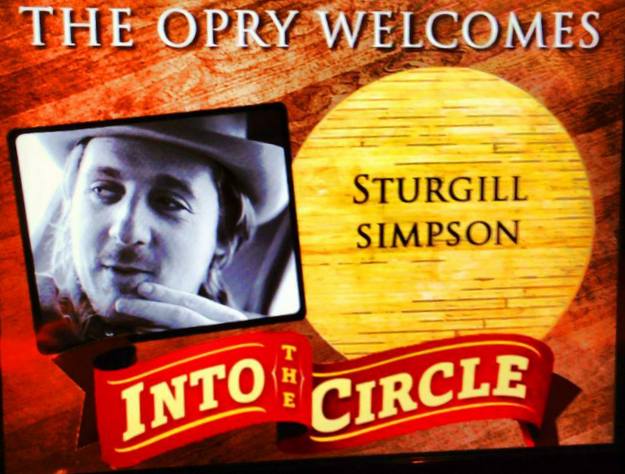
Sturgill Simpson On Playing The Grand Ole Opry, From Saving Country Music
I feel as if I was part of rare treat being able to see Sturgill Simpson a few years back in his older project Sunday Valley. Had never heard of the band but a few folks said to stick around and check them out. This was down in Texas during SXSW of 2011 and happened at a showcase put on by Keith of Hillgrass Bluebilly and Trigger of Saving Country Music. As soon as hit those first notes on the guitar and let loose a signature sound I was hooked.
Now Sturgill has gone solo and stripped back on the guitar shredding and focused more on the craft of songwriting and is truly upping the ante. I sure as hell hope that he doesn't leave his amazing style of guitar picking in the dust as it is a breath of fresh air and a shot in the arm that brings country rock into a new light.
Check out the article on Saving Country Music
 |
| Sturgill Simpson, one of underground country music's best kept secrets |
- – - – - – - – - -
I credit my 82 yr. old Grandfather Dood Fraley more than anyone on Earth for, among many other things, my musical education. He’s the greatest man I’ve ever known…Period.
He used to sit me on the couch next to him when I was a child and make me watch Hee-Haw and TNN and tell me which performers were good and which ones were a joke or just holding the guitar as a prop. He spent his entire childhood growing up in Eastern Kentucky so poor it can’t be put into words. They had one radio in the coal camp that every one would gather around every Saturday night and listen to The Grand Ole Opry. He always talked about how The Opry was like magic coming out of that box. I know what it feels like hearing Bill Monroe for the first time on a cd player but it’s tough to imagine what it must have been like hearing that voice blast out of a radio in the 40′s as a nine year old boy. Anyway, he’s been really sick lately so when I got the news he was the first person I called…his words summed it up better than I ever could.
He told me, “That’s it bud..that’s the biggest honor in Country music..that’s what you’ve been working so hard for all these years whether you knew it or not. If you never sing or record another note, you ain’t gotta prove nothing else to nobody after that. Don’t worry about what they’re doing now, just go do it your way and I’ll be right there with ya."
I made my album for him and no one else and it got me “here”…It aint much but “here” is a place I can go to sleep at night feeling pretty ok with. There is really nothing I can say that captures how proud I feel knowing he lived to see this and that he’ll be standing backstage watching his grandson step into that circle just like every single damn one of the heroes he raised me on has before me. There’s not a whole hell of a lot in this world I take seriously, least of all myself. But this I do,..The Opry is a living testament to the heritage of American Country Music and that’s about as serious as anything can be.
- – - – - – - – - – - – - – - – - – - – - – - – - – - – - -
You can listen to Sturgill Simpson’s Opry debut on WSM Online between 7 PM and 9:15 PM Central Friday (8-23).
Purchase Sturgill’s latest album High Top Mountain.
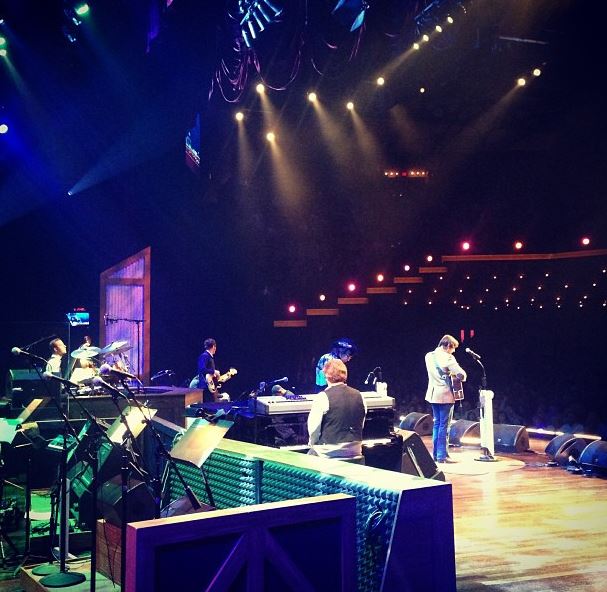
UPDATE (8/23): Sturgill played “Water I A Well” and “Life Ain’t Fair & The World Is Mean” on the Opry. For those that missed it, it will be archived in about a week or so here:
Here’s a few pictures:
Picture from backstage:
Sturgill Simpson Tour Dates:
Sept. 1 – Rosemary Beach – Rosemary Beach, FL
Sept. 4 – The Altamont – Asheville, NC
Sept. 5 – Scenic City Roots – Chattanooga, TN
Sept. 6 – The New Vintage – Louisville
Sept. 7 – Barley’s Tap Room – Knoxville, TN
Sept. 8 – Eddie’s Attic – Atlanta
Sept. 9 – Georgia Theatre, Rooftop Series – Athens, GA
Sept. 11 – The Evening Muse – Charlotte
Sept. 12 – The Pour House Music Hall – Raleigh, NC
Sept. 19 – Americana Music Festival – Nashville
Sept. 21 – The Groove – Nashville
Sept. 26 – Red Dirt Dance Hall – Tulsa, OK
Sept. 27 – Wormy Dog Saloon – Oklahoma City
Sept. 28 – The Foundry – Dallas
Oct. 1 – The Western – Scottsdale, AZ
Oct. 3 – The Griffin – San Diego
Oct. 3 – The Hotel Cafe – Los Angeles
Oct. 5 – Hardly Strictly Bluegrass Festival – San Francisco
Oct. 30 – Music City Roots – Nashville
Sept. 4 – The Altamont – Asheville, NC
Sept. 5 – Scenic City Roots – Chattanooga, TN
Sept. 6 – The New Vintage – Louisville
Sept. 7 – Barley’s Tap Room – Knoxville, TN
Sept. 8 – Eddie’s Attic – Atlanta
Sept. 9 – Georgia Theatre, Rooftop Series – Athens, GA
Sept. 11 – The Evening Muse – Charlotte
Sept. 12 – The Pour House Music Hall – Raleigh, NC
Sept. 19 – Americana Music Festival – Nashville
Sept. 21 – The Groove – Nashville
Sept. 26 – Red Dirt Dance Hall – Tulsa, OK
Sept. 27 – Wormy Dog Saloon – Oklahoma City
Sept. 28 – The Foundry – Dallas
Oct. 1 – The Western – Scottsdale, AZ
Oct. 3 – The Griffin – San Diego
Oct. 3 – The Hotel Cafe – Los Angeles
Oct. 5 – Hardly Strictly Bluegrass Festival – San Francisco
Oct. 30 – Music City Roots – Nashville
Monday, July 1, 2013
Five Worthy Artists Finding Success In 2013, From Saving Country Music
Link to original post on Saving Country Music
"You know how you may root for a hometown sports team for years even though they’re terrible, and then out of the blue when they start to get good you don’t know how to behave because you’ve identified with losing for so long? Well that is what is happening in 2013 with many of the artists Saving Country Music and so many loyal fans have been following for years. Acts that we got in a habit of using as evidence of how the industry was woefully neglecting legitimate talent are now finally starting to find success, reshaping our theories on music’s downward spiral.
There is still much to do, but in 2013 we can find signs hope in the success of these artists.
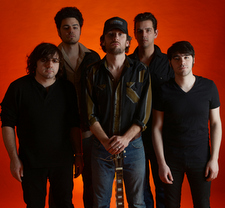 Hellbound Glory
When Saving Country Music named Hellbound Glory’s Old Highs & New Lows its 2010 Album of the Year, we were hoping someday the Reno, NV-based band might find the bigger audience they deserved, but who knew that only a few years later they would be playing to sold out arenas as an opening act on a Kid Rock tour. Hellbound Glory’s road was winding, and with the strength of front man Leroy Virgil’s songs they could still grow from here, but 2013 is the year we will point back on as the time they finally got their boot in the door.
 Caitlin Rose
With all the talk of 2013 being the “Year of the Woman” in country music, Caitlin Rose’s name has been appearing right beside names like Ashley Monroe and Kacey Musgraves as evidence that country’s new crop of women are the ones restoring substance to the genre. Once thought of as the UK’s best kept independent country secret, Caitlin’s scope is now coast to coast here across the pond as the songs from her critic’s favorite The Stand-In speak to a wide audience with both accessibility and smarts. Working with the Dave Matthews-backed ATO Records, Caitlin’s voice is finally starting to find an audience, and with a voice like hers, the sky is the limit.
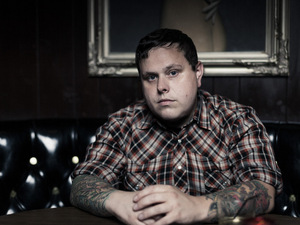 Austin Lucas
There is nobody in roots music who has worked harder, toured more, come so close to finally getting his break so many times, and deserves the sweet rewards of success more than Austin Lucas. Though Austin had received some fortunate breaks in the past touring on Chuck Ragan’s Revival Tour and the Country Throwdown Tour, a year ago after seeing Austin Lucas deliver an inspiring show at Austin, TX’s Mowhawk club, he confided in me he was concerned if his music would ever stick, and how he was growing older by the day. The very next show Austin played resulted in him eventually being signed to New West Records, who is scheduled to release his latest album Stay Reckless on August 27th. Austin Lucas is a positive example of why you never give up, and how the power of the song can still override the concerns of the traditionally shallow music industry.
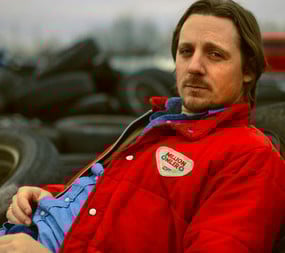 Sturgill Simpson
If there is one artist symbolizing hope for real country music in 2013, it is Sturgill Simpson. Like all of these artists, he’s put the hard work in as well, but the biggest lesson to take away from Sturgill’s success is to never settle for second best, and to believe in yourself. By allowing his music and personality to remain more of an enigma than a known quantity, Sturgill was able to make sure he wasn’t boxed in to any scene or subtext so when the time was right he could present his music to the world on his terms. Working with Thirty Tigers, and having been out on tour with folks like Dwight Yoakam and Junior Brown, Strugill is building a formidable career in country music.
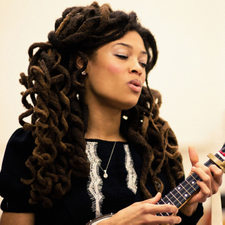 Valerie June
Valerie June received the mother of all opportunities in 2013 when she was asked to appear in front of a national audience as part of an intimate duet with Eric Church at this years ACM Awards. But that might just be the beginning for Valerie, whose highly-anticipated album Pushing Against A Stone set to be released on August 13th is already receiving buzz from big media outlets like Billboard and NPR. Like Ashley Monroe and Caitlin Rose, Valerie June is primed to join the class of inspiring up-and-coming country women taking shape in 2013."
Monday, May 27, 2013
Carolina Still Feature Review On Saving Country Music
Buy your copy of The Color Of Rust
Link to review on Saving Country Music
"If you gave me only one word to describe this album, it would be “Yes!” There’s no shortage of these juggy, stompy country bands these days looking for attention. And when I say “juggy,” I don’t mean the descriptive word Mr. Nightlife might write beside a girl’s name in his little black book. I’m talking about the kind of primitive, old-school country bands that get your elbows swaying to a fro and your legs kicking in a down home good time. So many new bands with the term “still” or “whiskey” in their name have popped up, I can barely keep up with them all. Hell, there’s even a Whiskey Still, but it’s three old dudes from Dublin, so we’ll give them a pass.
The problem is many of these bands try to overcompensate for their lack of basic music skills with shrill vocals and sheer speed, while their “albums” are hampered by excessive recording flubs and cliché’s so bad they make you physically wince. Carolina Still bucks this trend by putting out a great-sounding, patient, and professional album through Rusty Knuckles Records called The Color of Rust, spiking old music with a new energy. Self proclaimed “old-time moonshier stomp,” they bring the primal enjoyment a jug-like band can evoke, without any of the grab ass garbage that can come from half efforts.
The Color of Rust will downright wear your country ass out. The first three songs will get your foot stomping so hard, you’ll piss off the downstairs neighbors irrevocably. That’s right, no more borrowed cups of brown sugar for you. “Devil’s Stomp” is especially prone to causing involuntary leg movements of the heavy stomping persuasion, and then once Carolina Still has you squared up, they hit you right between the eyes and completely off guard with the really slow and soulful “Black Lung, WV,” showing off an ear for composition.
The songs of The Color of Rust find that nice warm place where the themes are familiar, but not quite clichè. They may have “still” in their name, but there’s not an excess of moonshine-running, falling down drunk ballads in their repertoire. Instead you get cool songs like the really thoughful “Grandpa’s Guitar.” They pull out all the stops for “Old Black Crow” on the album, using chains and caws to enhance what would otherwise be a simple song. The band gets downright silly with songs like “In the Barn” and “Chicken Pie,” but never to the point where you feel stupid for listening. The Color of Rust is a really fun listen from cover to cover.
Carolina Still are not necessarily superpickers, and if they were, it might take away from the spirit of their music. Instead they rely on good ears to craft catchy elements to reel you in, like the guitar and banjo rhythm on “Grandpa’s Guitar” and the walking down bass line of “Chicken Pie.” What I’d like to hear more of with this band is the depth they touch on in “Black Lung, WV.” It’s difficult to delve too far into this direction when you’re perceived as a lively party band. Old Crow Medicine Show has struck this balance over the years, putting out fun songs right beside ones that try to say something, and elevating their stature as songwriters amongst their peers."
Good album, produced by JB Beverley and Buck Thrailkill.
1 3/4 of 2 guns up."
Thursday, April 25, 2013
Want To Hear And Support Real Country Music? Read On...
Check out original post on Saving Country Music
There’s been much talk so far this year about how the women of country are outpacing the men when it comes to the quality of music, and we’ve talked about possible reasons why that is. But we haven’t talked about some of the men that if simply given a chance, could shoot an immediate injection of substance into the country music format. They just need similar chances to their female counterparts.
It’s not that the men of country have any less talent. One of the problems is that many talented country men are making their way to Americana, tired of beating their heads against Music Row’s walls, and not wanting to be lumped in with the laundry list arena rock or country rap currently plaguing the mainstream male country ranks. If country music can’t facilitate the rise of their careers, country will lose their talent to other avenues.
A lack of talent has never been country music’s problem, it’s been recognizing that talent and allowing it to thrive by expressing its originality and creativity. Here are seven men that right now could enter into prominent positions in the country format and immediately make it better.

The truth is you’re already hearing Will Hoge on mainstream country radio, you’re just hearing his songs being sung by others. Hoge is one of those songwriters that has been right on the brink of breaking through for 15 years, but has always just been one important puzzle piece away. Eli Young Band had a #1 hit last year with Will’s song “Even If It Breaks Your Heart,” and at the time the songwriter didn’t even have a publishing deal. Recently Lady Antebellum recorded his song “Better Off Now.”
Will is now signed to BMG Nashville as a songwriter, and has been signed as a performer to Atlantic Records and Rykodisc in the past. Though Will has struggled to find the exact right opportunity to take his music to the next level, he is a battle-tested performer, a proven songwriter with commercially-viable material, and an artist the industry is familiar with that could immediately step in amongst country music’s mainstream men and bring more substance to the format, open up new themes, and hopefully challenge other male performers and writers to release more formidable material.
If you’re wondering where our generation’s Keith Whitley or Chris Ledoux is, look no further. Though Leroy will probably never play Nashville’s game, he’s got country music’s most formidable song catalog just waiting to be cherry picked and matched up with top-tier talent. In the meantime, Leroy and his band Hellbound Glory could be playing sold-out big club/theater shows and headlining grassroots festivals.
Virgil and Hellbound Glory are fresh off opening for Kid Rock on a nationwide arena tour and signing with the prestigious Agency Group for booking. It may be only a matter of months before we stop complaining of why Hellbound Glory isn’t bigger, and start proclaiming that they’ve made it. Time may be running out to get on board with Leroy Virgil at the ground level and enjoy the rise.
There’s been much talk so far this year about how the women of country are outpacing the men when it comes to the quality of music, and we’ve talked about possible reasons why that is. But we haven’t talked about some of the men that if simply given a chance, could shoot an immediate injection of substance into the country music format. They just need similar chances to their female counterparts.
It’s not that the men of country have any less talent. One of the problems is that many talented country men are making their way to Americana, tired of beating their heads against Music Row’s walls, and not wanting to be lumped in with the laundry list arena rock or country rap currently plaguing the mainstream male country ranks. If country music can’t facilitate the rise of their careers, country will lose their talent to other avenues.
A lack of talent has never been country music’s problem, it’s been recognizing that talent and allowing it to thrive by expressing its originality and creativity. Here are seven men that right now could enter into prominent positions in the country format and immediately make it better.
Sturgill Simpson
If you wanted one name, one man to watch in country music in 2013, that name would be Sturgill Simpson. Poised to take the country music world by storm (or at least the independent side of things), Sturgill’s debut solo album High Top Mountain is going to blow the doors off of country music when it’s released on June 11th. Sturg is already making waves out there on the road opening for Dwight Yoakam, and has one of the best management and booking teams behind him. Everything is in place. The next question is, will country music pay attention?Will Hoge

The truth is you’re already hearing Will Hoge on mainstream country radio, you’re just hearing his songs being sung by others. Hoge is one of those songwriters that has been right on the brink of breaking through for 15 years, but has always just been one important puzzle piece away. Eli Young Band had a #1 hit last year with Will’s song “Even If It Breaks Your Heart,” and at the time the songwriter didn’t even have a publishing deal. Recently Lady Antebellum recorded his song “Better Off Now.”
Will is now signed to BMG Nashville as a songwriter, and has been signed as a performer to Atlantic Records and Rykodisc in the past. Though Will has struggled to find the exact right opportunity to take his music to the next level, he is a battle-tested performer, a proven songwriter with commercially-viable material, and an artist the industry is familiar with that could immediately step in amongst country music’s mainstream men and bring more substance to the format, open up new themes, and hopefully challenge other male performers and writers to release more formidable material.
Whitey Morgan
Whitey Morgan and his band The 78′s are the authentic, modern-day extension of country music’s true Outlaw country movement. It doesn’t get more hard country and honky tonk than this. Music Row’s batch of fake Outlaws will only be able to go so far before the American public wakes up to the fact they’ve been sold a bill of goods. Whitey Morgan is country music’s “new Outlaw” for the long haul.Evan Felker & the Turnpike Troubadours
With Evan Felker and the Turnpike Troubadours, the question is not if, but when. You may not be able to find a better example of a songwriter that can bring true country substance yet still find appeal with the masses. Like Hootie taking Old Crow’s “Wagon Wheel” to #1, Felker songs like “Every Girl” “7 & 7″ and “Good Lord, Lorrie” are just screaming to be cut by a bigger name, letting the rest of the world know what a treasure the Texoma region has in this young and exciting band. The hardest thing for a Red Dirt / Texas country band to do is make that transition from regional stars to national recognition, and to do it without streaking their hair with highlights or releasing songs with obviously aims at radio success. The next couple of years are very critical for this band, but if Nashville had any sense, they’d hop on the Turnpike Troubadours bandwagon now.John Fullbright
A former Turnpike Troubadour himself, and a former member of the Mike McClure band, John Fullbright became a serious force in the music world when he released his critically-acclaimed From The Ground Up album last year that rose all the way to winning the young man from Bearden, Oklahoma a Grammy nomination for Best Americana Album. Isn’t it just like Americana to snatch up all of country’s promising male talent? But with the strength of his songs, John Fullbright could find a home in both country and Americana if he wished. At only 25-years-old (it’s his birthday today), the sky’s the limit for this emerging talent.Leroy Virgil & Hellbound Glory
 |
| Leroy and Hellbound Glory on the Rebel Soul Tour with Kid Rock |
Virgil and Hellbound Glory are fresh off opening for Kid Rock on a nationwide arena tour and signing with the prestigious Agency Group for booking. It may be only a matter of months before we stop complaining of why Hellbound Glory isn’t bigger, and start proclaiming that they’ve made it. Time may be running out to get on board with Leroy Virgil at the ground level and enjoy the rise.
Dirty River Boys
If country music was looking for its rough equivalent of Mumford & Sons, The Lumineers, and other acoustic string bands that are all the rage right now, look no further than El Paso, TX’s Dirty River Boys. Way more than just Americana’s version of a boy band, The Dirty River Boys have a grit and authenticity to them many of these other bands so woefully lack. Yet the Dirty River Boys can still can engage large crowds in sincere singalongs that tap into that sense of camaraderie that many music fans are looking for these days.
Wednesday, January 30, 2013
Leroy of Hellbound Glory, Talks On The Kid Rock Tour, From Saving Country Music
Link to original post on Saving Country Music
"I don’t think it is a stretch to say that Leroy Virgil of Hellbound Glory, and specifically his vast collection of remarkable country songs, is one of the most overlooked and untapped resources in country music. Music Row should be pilfering his song library, and yet the man sits here without even a serious publishing deal. Leroy Virgil is country music’s best kept secret, but the cat may soon be out of the bag as none other than Kid Rock has tapped Hellbound Glory as the opener on the first two legs of his 29-date arena tour.
With Kid Rock’s place as a polarizing figure to some of the same country fans that Hellbound Glory appeals to, the association has drawn some ire. At the same time, it’s hard to not credit Kid Rock for doing something that no other major music artist or entity has done up to this point: recognize Leory’s immeasurable talent and give it a greater outlet.
As Leroy Virgil does a circuit of small town gigs in Idaho to prepare for the big tour, I talked to him about the opportunity, about the concerns of some fans about the Kid Rock affiliation and their worries the opportunity is too much too fast, and about where Leroy and Hellbound Glory go from here.
- – - – - – - – - – - – - – - – - – - -
Trigger: In my review of Hellbound Glory’s last album Damaged Goods I said, “It’s time for someone to step up. It’s time for Hellbound Glory to graduate, for someone a step higher to step up and put these boys as the opener on a serious tour.” And when I said that, I didn’t have any names in my back pocket of who that would be. But Kid Rock was the guy that ended up stepping up, seeing the potential and talent and putting y’all on his tour. How did that come about?
Leroy Virgil: It’s kind of a funny story. When I first became aware that Chico (former drummer) was going to leave the band, I started doing this bass drum thing. And I started by going every Wednesday and Thursday night to a bar and play there for 4 hours. Rico (slide guitar player) would go down there as well. It’s a bar called Davidson’s in Reno, where we took the picture for the back cover of Scumbag Country. It was a biker bar, and they would play a lot of Kid Rock on the juke box. Me and Rico listened to it so much we were just like, “Yeah, someday we’re gonna tour with Kid Rock.” We never really expected it to happen, and then 6 or 7 months later we get a call, and it was an offer for that cruise ship thing (Kid Rock’s Chillin’ The Most Cruise), and of course we took it. I think Kid Rock may have had access to our music through our manager. I don’t know if it was his decision, but we got the call and there was no way we could turn that down.
Trigger: So you played the Kid Rock Cruise almost a year ago. How did that evolve to this tour? I mean this is a big tour–two months. You’re playing a lot of dates here.
Leroy Virgil: It’s 29 dates over the course of two months. And it’s the first two legs. I’ve got my fingers crossed that we will be invited to the 3rd and 4th leg. When we we’re on the cruise, we got a chance to hang out with him, my wife and I, partied with him some, had a good time. We all just hit it off, so that may have something to do with how we got on this tour.
Trigger: What do you have to say to folks who say, “I don’t want to see Hellbound Glory in a big arena. I don’t want to have to pay for an expensive ticket.” Will those folks still get a chance to see Hellbound Glory in a smaller, cheaper setting in the future?
Leroy Virgil: As far as the whole expensive ticket thing, I can understand. The economy is rough. I couldn’t afford to go to the show if I wasn’t playing at it. But if they’re fans of Hellbound Glory, the shows are going to be great. I’ve got a couple of new guys, a great drummer and bass player.
NASCAR Nick came back, he’s on Old Highs & New Lows. So it’s gonna be loud, and it’s gonna be rocking. We’ve got a wild set going. I think it’s going to blow some people’s minds to be honest with you. I can’t wait for people to hear it. But as far as playing smaller show, I don’t think I’ll ever get sick of playing in small, intimate places. I enjoy playing small places, and four, five hour sets of my songs and country classics, drink whiskey on stage and bullshit with the crowd. It’s really becoming a thing where I’d like to play arenas and big places whenever I want, but I definitely don’t want to lose the grass roots, underground following that we have. I hope our fans and people that know our music come up to us and we get a chance to hang out. We don’t want to be isolated. That’s not where good songs come from.
Trigger: Along those same lines, do you think this tour will change Hellbound Glory? And if so, how?
Leroy Virgil: You know, I’m a really stubborn person, and I’m not gonna change any way I don’t want to change. In fact I think over the last couple of years I’m even more hardcore than I’ve ever been. And the new material is going to show that too. If anyone has any reservations about Hellbound Glory being on the road with Kid Rock or being mainstream or whatever, I just want the music to speak for itself. Just listen to the music and if you don’t like it, alright, then you don’t like it. But don’t write anything off just because of anything we’re doing. I’m not changing. I’m still the same person I’ve always been.
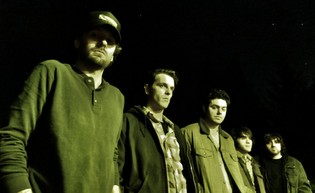 |
| The new Hellbound Glory |
Leroy Virgil: Yeah I just got this little Harmony guitar that I got from a friend. It’s a 1950′s Harmony arch top acoustic electric. It’s pretty old school. So yeah, I’ll be standing up. I’m trying to get back into that whole mojo of standing up, being a little big more of a front man just because I spent the last 2 1/2 years sitting on that bass drum. It’s exciting. A whole new venture, because I think we had gotten stale. Not with the lineup, just with the setup we had. And you know, I’ll probably continue changing. Who knows what I’ll be doing next year. I’ve got to do something to keep everything fresh. Wait till you hear the new material. You may hate it, you may dig it. No matter what, it’s country. Even if I was playing heavy metal, it’s still country. It’s where I come from. The whole Nashville thing would have never worked out for me anyway. Can you imagine Hellbound Glory, I don’t know, rubbing elbows with Jason Aldean? It’s two completely different worlds. So I’m just kind of eeking out my own thing. I feel like I part of a lot of the scenes, but at the same time I’m on the outside of it too. I think I’m in a pretty good place. I couldn’t be happier than where I am right now.
Trigger: You mentioned new material. I know that you’ve done some recording on this project you’ve called ‘Merica. When can people expect new music from you, or is that in the offing?
Leroy Virgil: I’ve done some work with Shooter (Jennings) but we really haven’t had the time to get everything to where it’s really moving yet. I mean, I don’t want to scrap these songs, I’ve spent a lot of time working on them. But I’m continuing to write new ones. And now I’m kinda sick of those ones so I want to do something new.
Trigger: So you’ve got a glut of material?
Leroy Virgil: I just want to have a microphone going all the time. Record old Hank Williams songs, old Lefty Frizzell songs and just give them away."
Wednesday, January 2, 2013
2012 Song of the Year – Billy Don Burns’ “Stranger” From Saving Country Music
Go to original post on Saving Country Music
Buy this great album right here
"These are never easy decisions to make, and it’s at about this time every year when I wonder why I pressure myself into making them. This year’s crop of nominees for Song of the Year seemed especially strong; songs that will go on to be marquee songs in each of the nominee’s legacies.
If I were to base the winner simply on importance, it would have gone to Kacey Musgraves’ “Merry Go Round” that stubbornly refuses to leave the mainstream country music charts despite its progressive message. If I based it on being the best pure country song, it would have gone to Eric Strickland’s “Drinking Whiskey.” If I based it on the song I personally liked the most, it would have been Olds Sleeper’s “Bigsky/Flatland.” Tom Vandenavond’s “Wreck of a Fine Man” probably told the best story, and “Good Lord, Lorrie” made The Turnpike Troubadours a legitimate, full-time band that has made it. And the only way I can not justify giving the award outright to Sturgill Simpson is because “Life Ain’t Fair & The World Is Mean” will likely appear on a new album next year, allowing it to be considered again.
 |
| Billy Don Burns - album cover photo shoot for Nights When I'm Sober... |
“Production” is considered a bad word to some in music, and what’s funny about the production of “Stranger” is that it’s almost outmoded in its approach. It’s certainly not modern, but it’s really not classic either. It works in these strange, late 80′s, early 90′s textures, with lots of space, color, and warmth. It evokes the epicness of anthemic songs from that period like Willie Nelson’s “Pancho & Lefty” or The Highwaymen’s “Highwayman” that a short while ago may have felt hokey, but now harkens back to the last era when you could still hear the overlords of the genre come through your radio. The production is both heavy handed and astonishingly lacking and laid back at the same time. Serious accolades are due Aaron David Rodgers who produced “Stranger” and the parent album Night’s When I’m Sober.
Billy Don Burns is a writer first, but he sings the hell out of this song by structuring it around his vocal strengths. Instead of appreciating his voice for conventional notions of beauty, you appreciate it for its raspy, strained, and torn nature. Instead of singing louder or harder when Billy Don wants to create emphasis in “Stranger,” he counter-intuitively sings softer, or even talks, with the quieter he gets, the more you listen, and the greater impact the words have. Parallel to the story “Stranger” coveys, the song doesn’t rise like most, it falls. In moments Billy barely eeks the words out of his rusted pipes like they are the words of a dying breath, marrying the depth of meaning and story behind the expressions to the sounds he makes, while the music bends and sometimes drops out entirely to compliment the experience of listening to a story that is both tragic in nature, and hauntingly universal.
This song is about losing yourself, which we’ve all done, and will all do again, and how we all start off life with a firm grasp on who we are that life does its level best to wrestle away from us. But inside “Stranger” there is also a glimmer of hope in how the realization of one’s self can stimulate renewal. And above all of that, the beauty of “Stranger” is its fierce simplicity–the attribute of all excellent country songs.
Billy Don Burns seems like one of these artists whose opportunity for a serious, lucrative career in music is unjustly fleeting, but his chance at a long-term legacy in music seems all but inevitable from all of the songs he written, the albums he’s produced, and all the friends he has made over the years. For a long time folks had been trying to get my attention about Billy Don, and the timing apparently just wasn’t right. Whitey Morgan once told me he would never put out an album without a Billy Don song on it. Brigitte London told me he was one of the best songwriter she’d ever met. I poked around and found he’d written songs for Willie Nelson, and produced albums from Merle Haggard and Johnny Paycheck.
But what Billy Don needed was a new album to breathe new life into his musical quest; to bring a new generation of ears to his music. And on the year of the release of this song and his album Nights When I’m Sober through Rusty Knuckles Records, it would have been a desecration of the Saving Country Music seal to not use the opportunity to shine however puny of a spotlight this website wields on what in my opinion might be the artist who is suffering from the greatest discrepancy between remarkable accomplishment and paltry recognition in country music.
Billy Don Burns’ song “Stranger” proves why it is such a travesty that his name and legacy are such strangers to the modern country ear. It’s imperative on all of us to fix that."
 |
| Billy Don Burns is awarded with the 2012 Saving Country Music Song Of The Year |
Saturday, December 15, 2012
The Greatest Underground Country Albums of All Time, From Saving Country Music
"The underground country movement started roughly in the mid 90′s on lower Broadway in Nashville that at the time was a run down part of town. Young musicians from around the country, some from punk backgrounds, came together from their mutual love of authentic country music to create a counterbalance to the pop country that was prevailing on Music Row a few blocks west.
Underground country started with mostly neo-traditionalists like Wayne “The Train” Hancock, Big Sandy, and Dale Watson, but spread to the punk and heavy metal world through acts like Hank Williams III and Th’ Legendary Shack Shakers. This list does not just consider the appeal of these albums, but also the influence they had on other underground artists and albums, and on country music and music in general.
Please understand that this list is just for underground country albums. This means artists better defined by the Deep Blues like Scott H. Biram or Possessed by Paul James, or Texas artists like James Hand or Ray Wylie Hubbard, or country artists who may work on the fringes of underground country but would not necessarily be considered underground like BR549 or Roger Alan Wade, are not included. Americana acts are not included. This is strictly underground country’s opportunity to bask in the spotlight."
- Triggerman
Link to original post on Saving Country Music
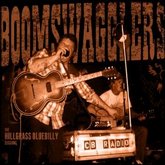
This very well may be the most authentic album of music put out in the modern era for any genre. The Boomswagglers have always been and continue to be more myth than reality, with original Boomswaggler Lawson Bennett long gone and a cavalcade of replacements shuffling in an out with Spencer Cornett. Even if they never put out another album, The Boomswagglers made their mark, and it is a deep one.
“The music is wildly entertaining and deceptively deep. If you’re going to be a Boomswagglers song, someone’s got to die, and likely a woman. Some may find this silly, monotonous, or even offensive, but you have to listen beyond the lyrics, and unlock the carnal wisdom that is hidden in these songs.” (read full review)
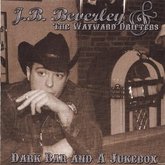
Dark Bar & A Juke Box was an instant underground country classic, and so was the anti Music Row song that the album got its name from. JB and his Wayward Drifters grit out a superb selection of songs displaying taste, restraint, and a sincere appreciation for the roots of country music, which may have surprised some who knew JB more for his work with heavy metal bands like The Murder Junkies and the Little White Pills. Dark Bar & A Juke Box also boasts appearances from the famous son and grandson of a country music royal family, who due to contractual issues had to work incognito (wink wink).
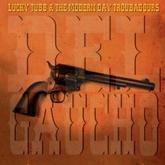
Some (including Lucky himself) may point to Hillbilly Fever as being the seminal Lucky Tubb album with its big budget and appearances by Wayne “The Train” Hancock. But Del Gaucho is where Lucky Tubb came into his own, found his sound, and the unique musical flavor only he has to offer the world. Dirty, rowdy, rocking, but still steadfastly neo-traditionalist country, Del Gaucho scores off the charts when it comes to style points. When you’re talking about some of the greatest neo-traditional country albums and artists of all time, Lucky Tubb and Del Gaucho deserve to be in that conversation.
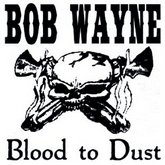
They say you have your whole life to write your first album, and what makes Bob Wayne’s Blood to Dust so special is how true and touching he told his life’s story through song. His subsequent albums aren’t too shabby either, but with signature songs like “Blood to Dust”, “Road Bound”, and “27 Years”, this still stands out as his signature album, and a signature album of the underground country movement. It was performed, produced, and recorded by an all-star cast of contributors that included Donnie Herron, Joe Buck and Andy Gibson, and brought Bob Wayne out from behind-the-scenes as Hank3′s guitar tech, and made him one of the movement’s most well-known songwriters and performers.
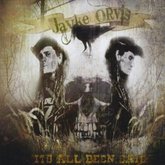
This is the album that launched Farmageddon Records, and that launched Jayke Orvis as a formidable, premier front man in underground country. One of the founding members of the now legendary .357 String Band, Jayke was asked to leave the band because of irreconcilable differences and almost immediately began touring with The Goddamn Gallows and trying to make this album happen. The result was a slick, tightly-crafted LP showcasing excellent songwriting and instrumentation. From ballads to blazing instrumentals, Jayke Orvis has proved himself to be one of the singular talents of underground country roots.
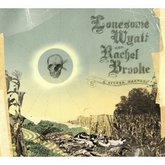
This album was destined to become an underground country classic. The mad genius music mind of Lonesome Wyatt of the Gothic country duo Those Poor Bastards has the uncanny ability to procure the absolute most appropriate sounds to evoke the desired dark mood in his music. Then you combine that with one of the best voices not just in underground country, but in all of music in Rachel Brooke, and magic was bound to happen. The creativity on A Bitter Harvest is spellbinding. More of an artistic endeavor than a toe tapper, Lonesome Wyatt and Rachel create a soundtrack to human emotion and despair. For people looking for a place for country music to evolve, A Bitter Harvest shows how you can take authentic country themes and an appreciation for the roots of the music, and envelop it in layers of textural color culled from the wide experience of human sounds.
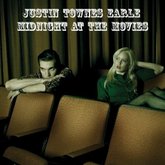
Midnight At The Movies was Saving Country Music’s 2009 Album of the Year. Today it would be difficult to characterize Justin Townes Earle as underground country because the quality of this album launched him into the inner sanctum of Americana.
“Justin Townes Earle has done an awesome thing with this album; he has figured out a way to unite all the displaced elements that make up the alternative to mainstream Nashville country, while still staying somewhat accessible to the mainstream folks as well. You might even catch the bluegrass folks nodding their head while listening to it. Folkies like it, and there’s a few tunes blues people can get into. This isn’t just the REAL country album of the year, it is the “Alt-country” album of the year and the “Americana” album of the year.” (read full review)

El Santo Grial was Saving Country Music’s 2011 Album of the Year.
“Every once in a while, an album comes along that changes everything. It’s an album that inspires other albums, and dynamic shifts in tastes and approach throughout a sector of music, while at the same time dashing the dreams of other artists, as the purity and originality are way too much to attempt to rival. Slackeye Slim’s El Santo Grial, La Pistola Piadosa is one of those albums.
“El Santo Grial is a masterpiece, exquisitely produced, arranged, and performed. This is a patient, uncompromising album. You can tell time was never introduced into this project as a goal. The goal was to flesh out Slackeye’s vision without ever settling for second best, and that goal was accomplished.” (read full review)
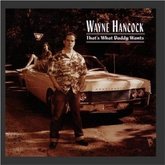
Thunderstorms & Neon Signs is the Wayne Hancock album most people gravitate towards as their favorite because it was their first, and the first to showcase Wayne Hancock’s unique blend of country, Western Swing, rockabilly, and blues. But pound for pound, That’s What Daddy Wants is just as good of an offering, boasting some of The Train’s signature songs like “87 Southbound” and “Johnny Law”. Wayne Hancock has never put out a bad album, and distinguishing between them is difficult. But it’s not difficult to say that the underground country movement would have not had as much class if That’s What Daddy Wants hadn’t seen the light of day.
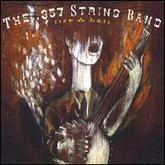
“They were all the absolute best possible musicians you could find at their respective positions, each challenging each other, pushing each other to keep up with the band’s demands for artistic excellence in both instrumental technique and creative composition.
“Listening back now at Fire & Hail, with so much talent in one place, no wonder the project was untenable, and no wonder the respective players have moved on to become their own trees instead of respective branches of the same project. Still, the loss of .357 String Band may go down as underground country’s greatest tragedy.” (read full review)

BR549 and Wayne “The Train” Hancock spearheaded the neo-traditionalist movement in the mid 90′s, but Hank Williams III was the one to carry it into the oughts and introduce it to a brand new crop of fans he brought along from his dabblings in the punk/heavy metal world. After having to tow the line somewhat for his first album Risin’ Outlaw, Hank3 was unleashed and able to showcase his own songwriting, heavily influenced by Wayne Hancock and Hank3′s famous grandfather, but still all his own. His voice was wickedly pure with a heart wrenching yodel and commanding range. The songwriting was simple, but powerful. This is a masterpiece, and remains an essential title of the neo-traditionalist era.

Hellbound Glory had already been around for years, but they burst into the underground with this magnificent, hard country album highlighted by head man Leroy Virgil’s world class songwriting. Despite the “hell” in their name and the hard language in their songs, Hellbound Glory hadn’t gone through any retooling as post punk refugees. They were pure country through and through and Old Highs & New Lows combined excellent Outlaw-style bar stompers and ballads with some of the most wit-filled songwriting since Keith Whitley. As far as honky tonk albums go, it may be years before this one is trumped. And when it is, it might be Leroy Virgil and Hellbound Glory doing the trumping.
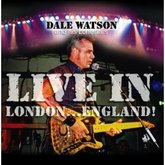
Dale comes out on stage and starts slinging guitars, cutting classics, and speaking the truth. Before Dale was the hometown boy and house band for Austin, he was pissed off and willing to sing about it. Dale’s anti-Nashville classics “Real Country Song”, “Nashville Rash”, and “Country My Ass” can all be found here, but Live in London isn’t all pissing and moaning. Songs like “Ain’t That Livin’” showed off Dale’s superlative voice and suave style. Honky tonk albums are sometimes hard to make because it is hard to capture that live, sweaty energy in the recorded context. So what better way to solve that problem than making a live one? Live in London remains the best Dale album to date.
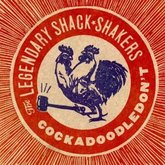
This was one of the first albums to bust out of the burgeoning music scene on lower Broadway in Nashville where one can argue the undergorund country movement started. It showed the world what kind of mayhem could be created by mixing country, blues, and punk music together without compromising taste and soul. It is the album which acts as a guidepost to the eclectic, yet intuitive and inter-related mix of influences that you will find in underground country: honest to goodness appreciation to the roots of American music, with a punk attitude and approach. And if you ever wondered why Joe Buck is considered part of underground country, appreciate that he played most of the music on Cockadoodledon’t.
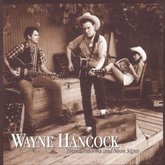
There are two albums that you can look back on an make a serious case that if they did not exist, underground country music may not exist–the album below this one on this list, and Wayne Hancock’s Thunderstorm & Neon Signs. There are two types of music artists: originators and imitators. Sometimes imitators can be very successful, and very creative artists themselves. But it always takes the originators to set the plate for the imitators to do what they do. Thunderstorms & Neon Signs was an original album from one of America’s most original country roots artists of all time. It doesn’t get much better or more influential than this.
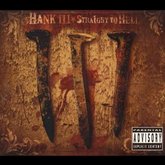
This album isn’t underground country’s Red Headed Stranger. It isn’t underground country’s Honky Tonk Heroes. It is both. It is the album that both was a novel concept, a breakthrough sonically and lyrically, and had a massive impact on the business side of music, for artists winning control of their music and inspiring and showing artists how to do it themselves. The deposed son of country music royalty had taken on a major Nashville label, and won, and all while being one of the first to successfully bridge the energy and approach of punk and heavy metal music with traditional country, all while keeping the music solidly country in nature.
It was the first album to be put out through the CMA with a Parental Advisory sticker. It was the first to ever be recorded outside of a traditional studio setting. Of course only a select few were paying attention, but it broke through many barriers that to this day have changed music in significant ways, sonically and behind the scenes.
The approach also had wide-ranging impacts outside of underground country and country music in general, to rock music and punk and heavy metal, inspiring thousands of rock kids to put down their electric guitars and AC/DC records, and pick up banjos and Johnny Cash records. The impact on mainstream music may have not been seen, but it was felt, and just like all great albums, it’s legacy will grow and be more appreciated and understood as the future unfolds."
Underground country started with mostly neo-traditionalists like Wayne “The Train” Hancock, Big Sandy, and Dale Watson, but spread to the punk and heavy metal world through acts like Hank Williams III and Th’ Legendary Shack Shakers. This list does not just consider the appeal of these albums, but also the influence they had on other underground artists and albums, and on country music and music in general.
Please understand that this list is just for underground country albums. This means artists better defined by the Deep Blues like Scott H. Biram or Possessed by Paul James, or Texas artists like James Hand or Ray Wylie Hubbard, or country artists who may work on the fringes of underground country but would not necessarily be considered underground like BR549 or Roger Alan Wade, are not included. Americana acts are not included. This is strictly underground country’s opportunity to bask in the spotlight."
- Triggerman
Link to original post on Saving Country Music
16. The Boomswagglers- Bootleg Beginnings – 2011
This very well may be the most authentic album of music put out in the modern era for any genre. The Boomswagglers have always been and continue to be more myth than reality, with original Boomswaggler Lawson Bennett long gone and a cavalcade of replacements shuffling in an out with Spencer Cornett. Even if they never put out another album, The Boomswagglers made their mark, and it is a deep one.
“The music is wildly entertaining and deceptively deep. If you’re going to be a Boomswagglers song, someone’s got to die, and likely a woman. Some may find this silly, monotonous, or even offensive, but you have to listen beyond the lyrics, and unlock the carnal wisdom that is hidden in these songs.” (read full review)
15. JB Beverley & The Wayward Drifters – Dark Bar & A Juke Box – 2006
Dark Bar & A Juke Box was an instant underground country classic, and so was the anti Music Row song that the album got its name from. JB and his Wayward Drifters grit out a superb selection of songs displaying taste, restraint, and a sincere appreciation for the roots of country music, which may have surprised some who knew JB more for his work with heavy metal bands like The Murder Junkies and the Little White Pills. Dark Bar & A Juke Box also boasts appearances from the famous son and grandson of a country music royal family, who due to contractual issues had to work incognito (wink wink).
14. Lucky Tubb & The Modern Day Troubadours – Del Gaucho – 2011
Some (including Lucky himself) may point to Hillbilly Fever as being the seminal Lucky Tubb album with its big budget and appearances by Wayne “The Train” Hancock. But Del Gaucho is where Lucky Tubb came into his own, found his sound, and the unique musical flavor only he has to offer the world. Dirty, rowdy, rocking, but still steadfastly neo-traditionalist country, Del Gaucho scores off the charts when it comes to style points. When you’re talking about some of the greatest neo-traditional country albums and artists of all time, Lucky Tubb and Del Gaucho deserve to be in that conversation.
13- Bob Wayne & The Outlaw Carnies – Blood to Dust – 2008
They say you have your whole life to write your first album, and what makes Bob Wayne’s Blood to Dust so special is how true and touching he told his life’s story through song. His subsequent albums aren’t too shabby either, but with signature songs like “Blood to Dust”, “Road Bound”, and “27 Years”, this still stands out as his signature album, and a signature album of the underground country movement. It was performed, produced, and recorded by an all-star cast of contributors that included Donnie Herron, Joe Buck and Andy Gibson, and brought Bob Wayne out from behind-the-scenes as Hank3′s guitar tech, and made him one of the movement’s most well-known songwriters and performers.
12. Jayke Orvis – It’s All Been Said – 2010
This is the album that launched Farmageddon Records, and that launched Jayke Orvis as a formidable, premier front man in underground country. One of the founding members of the now legendary .357 String Band, Jayke was asked to leave the band because of irreconcilable differences and almost immediately began touring with The Goddamn Gallows and trying to make this album happen. The result was a slick, tightly-crafted LP showcasing excellent songwriting and instrumentation. From ballads to blazing instrumentals, Jayke Orvis has proved himself to be one of the singular talents of underground country roots.
11. Lonesome Wyatt & Rachel Brooke – A Bitter Harvest – 2009
This album was destined to become an underground country classic. The mad genius music mind of Lonesome Wyatt of the Gothic country duo Those Poor Bastards has the uncanny ability to procure the absolute most appropriate sounds to evoke the desired dark mood in his music. Then you combine that with one of the best voices not just in underground country, but in all of music in Rachel Brooke, and magic was bound to happen. The creativity on A Bitter Harvest is spellbinding. More of an artistic endeavor than a toe tapper, Lonesome Wyatt and Rachel create a soundtrack to human emotion and despair. For people looking for a place for country music to evolve, A Bitter Harvest shows how you can take authentic country themes and an appreciation for the roots of the music, and envelop it in layers of textural color culled from the wide experience of human sounds.
10. Justin Townes Earle – Midnight At The Movies – 2009
Midnight At The Movies was Saving Country Music’s 2009 Album of the Year. Today it would be difficult to characterize Justin Townes Earle as underground country because the quality of this album launched him into the inner sanctum of Americana.
“Justin Townes Earle has done an awesome thing with this album; he has figured out a way to unite all the displaced elements that make up the alternative to mainstream Nashville country, while still staying somewhat accessible to the mainstream folks as well. You might even catch the bluegrass folks nodding their head while listening to it. Folkies like it, and there’s a few tunes blues people can get into. This isn’t just the REAL country album of the year, it is the “Alt-country” album of the year and the “Americana” album of the year.” (read full review)
9. Slackeye Slim - El Santo Grial, La Pistola Piadosa – 2011
El Santo Grial was Saving Country Music’s 2011 Album of the Year.
“Every once in a while, an album comes along that changes everything. It’s an album that inspires other albums, and dynamic shifts in tastes and approach throughout a sector of music, while at the same time dashing the dreams of other artists, as the purity and originality are way too much to attempt to rival. Slackeye Slim’s El Santo Grial, La Pistola Piadosa is one of those albums.
“El Santo Grial is a masterpiece, exquisitely produced, arranged, and performed. This is a patient, uncompromising album. You can tell time was never introduced into this project as a goal. The goal was to flesh out Slackeye’s vision without ever settling for second best, and that goal was accomplished.” (read full review)
8. Wayne “The Train” Hancock – That’s What Daddy Wants – 1997
Thunderstorms & Neon Signs is the Wayne Hancock album most people gravitate towards as their favorite because it was their first, and the first to showcase Wayne Hancock’s unique blend of country, Western Swing, rockabilly, and blues. But pound for pound, That’s What Daddy Wants is just as good of an offering, boasting some of The Train’s signature songs like “87 Southbound” and “Johnny Law”. Wayne Hancock has never put out a bad album, and distinguishing between them is difficult. But it’s not difficult to say that the underground country movement would have not had as much class if That’s What Daddy Wants hadn’t seen the light of day.
7. .357 String Band – Fire & Hail – 2008
“They were all the absolute best possible musicians you could find at their respective positions, each challenging each other, pushing each other to keep up with the band’s demands for artistic excellence in both instrumental technique and creative composition.
“Listening back now at Fire & Hail, with so much talent in one place, no wonder the project was untenable, and no wonder the respective players have moved on to become their own trees instead of respective branches of the same project. Still, the loss of .357 String Band may go down as underground country’s greatest tragedy.” (read full review)
6. Hank Williams III - Lovesick, Broke, & Driftin’ – 2002
BR549 and Wayne “The Train” Hancock spearheaded the neo-traditionalist movement in the mid 90′s, but Hank Williams III was the one to carry it into the oughts and introduce it to a brand new crop of fans he brought along from his dabblings in the punk/heavy metal world. After having to tow the line somewhat for his first album Risin’ Outlaw, Hank3 was unleashed and able to showcase his own songwriting, heavily influenced by Wayne Hancock and Hank3′s famous grandfather, but still all his own. His voice was wickedly pure with a heart wrenching yodel and commanding range. The songwriting was simple, but powerful. This is a masterpiece, and remains an essential title of the neo-traditionalist era.
5. Hellbound Glory – Old Highs & New Lows – 2010
Hellbound Glory had already been around for years, but they burst into the underground with this magnificent, hard country album highlighted by head man Leroy Virgil’s world class songwriting. Despite the “hell” in their name and the hard language in their songs, Hellbound Glory hadn’t gone through any retooling as post punk refugees. They were pure country through and through and Old Highs & New Lows combined excellent Outlaw-style bar stompers and ballads with some of the most wit-filled songwriting since Keith Whitley. As far as honky tonk albums go, it may be years before this one is trumped. And when it is, it might be Leroy Virgil and Hellbound Glory doing the trumping.
4. Dale Watson – Live in London…England – 2002
Dale comes out on stage and starts slinging guitars, cutting classics, and speaking the truth. Before Dale was the hometown boy and house band for Austin, he was pissed off and willing to sing about it. Dale’s anti-Nashville classics “Real Country Song”, “Nashville Rash”, and “Country My Ass” can all be found here, but Live in London isn’t all pissing and moaning. Songs like “Ain’t That Livin’” showed off Dale’s superlative voice and suave style. Honky tonk albums are sometimes hard to make because it is hard to capture that live, sweaty energy in the recorded context. So what better way to solve that problem than making a live one? Live in London remains the best Dale album to date.
3. Th’ Legendary Shack Shakers – Cockadoodledon’t – 2003
This was one of the first albums to bust out of the burgeoning music scene on lower Broadway in Nashville where one can argue the undergorund country movement started. It showed the world what kind of mayhem could be created by mixing country, blues, and punk music together without compromising taste and soul. It is the album which acts as a guidepost to the eclectic, yet intuitive and inter-related mix of influences that you will find in underground country: honest to goodness appreciation to the roots of American music, with a punk attitude and approach. And if you ever wondered why Joe Buck is considered part of underground country, appreciate that he played most of the music on Cockadoodledon’t.
2. Wayne “The Train” Hancock – Thunderstorms & Neon Signs – 1995
There are two albums that you can look back on an make a serious case that if they did not exist, underground country music may not exist–the album below this one on this list, and Wayne Hancock’s Thunderstorm & Neon Signs. There are two types of music artists: originators and imitators. Sometimes imitators can be very successful, and very creative artists themselves. But it always takes the originators to set the plate for the imitators to do what they do. Thunderstorms & Neon Signs was an original album from one of America’s most original country roots artists of all time. It doesn’t get much better or more influential than this.
1. Hank Williams III – Straight to Hell – 2006
This album isn’t underground country’s Red Headed Stranger. It isn’t underground country’s Honky Tonk Heroes. It is both. It is the album that both was a novel concept, a breakthrough sonically and lyrically, and had a massive impact on the business side of music, for artists winning control of their music and inspiring and showing artists how to do it themselves. The deposed son of country music royalty had taken on a major Nashville label, and won, and all while being one of the first to successfully bridge the energy and approach of punk and heavy metal music with traditional country, all while keeping the music solidly country in nature.
It was the first album to be put out through the CMA with a Parental Advisory sticker. It was the first to ever be recorded outside of a traditional studio setting. Of course only a select few were paying attention, but it broke through many barriers that to this day have changed music in significant ways, sonically and behind the scenes.
The approach also had wide-ranging impacts outside of underground country and country music in general, to rock music and punk and heavy metal, inspiring thousands of rock kids to put down their electric guitars and AC/DC records, and pick up banjos and Johnny Cash records. The impact on mainstream music may have not been seen, but it was felt, and just like all great albums, it’s legacy will grow and be more appreciated and understood as the future unfolds."